Bull Thistle: The Invasive Weed That's
Title: Bull Thistle: The Invasive Weed That's Taking Over North America
Introduction:
Bull thistle (Cirsium vulgare) is a tall, spiny plant that is native to Europe and Asia. It was introduced to North America in the early 1800s and has since become an invasive weed. Bull thistle can grow up to 10 feet tall and has large, purple flowers. The plant's spines can cause skin irritation and the seeds can be spread by wind and animals. Bull thistle is a threat to native plants and animals and can damage crops. It is important to control bull thistle populations to prevent further damage.
Main Content:
- What is bull thistle?
Bull thistle is a biennial plant, which means that it takes two years to complete its life cycle. In the first year, the plant grows a basal rosette of leaves. In the second year, the plant produces a tall, flowering stalk. The flower head is purple and can be up to 2 inches in diameter. The seeds are small and have a long, feathery awn that helps them to disperse by wind.
- Where does bull thistle grow?
Bull thistle can grow in a variety of habitats, including disturbed areas such as roadsides, fields, and ditches. It can also grow in native habitats, such as prairies and meadows. Bull thistle is found in all 50 states in the United States and in many parts of Canada.
- How does bull thistle spread?
Bull thistle spreads by seed and by root growth. The seeds can be dispersed by wind or by animals. The roots of bull thistle can grow long distances, which allows the plant to spread quickly.
- What are the impacts of bull thistle?
Bull thistle is an invasive weed that can have a number of negative impacts on the environment. It can outcompete native plants, reduce biodiversity, and damage crops. Bull thistle can also be a nuisance to people and animals. The sharp spines can cause skin irritation and the seeds can be a choking hazard.
- How to control bull thistle?
There are a number of ways to control bull thistle. Mowing can be effective if it is done early in the season, before the plant blooms. Hand pulling can be effective for small infestations. Chemical control can be used, but it is important to use herbicides that are labeled for use on bull thistle.
Conclusion:
Bull thistle is an invasive weed that can have a number of negative impacts on the environment. It is important to control bull thistle populations to prevent further damage. There are a number of ways to control bull thistle, including mowing, hand pulling, and chemical control.
Bull thistle is a common weed that can be found in many parts of the world. It is a member of the sunflower family and can grow up to 6 feet tall. Bull thistle has sharp spines that can make it difficult to remove. If you have bull thistle in your yard, you may want to visit Home Gardening for more information on how to identify and control it.
FAQ of bull thistle
- What is bull thistle?
Bull thistle (Cirsium vulgare) is a biennial plant that is native to Europe, Asia, and Africa. It was introduced to North America in the early 1800s and is now found in most states. Bull thistle is a noxious weed that can be difficult to control.
- What are the characteristics of bull thistle?
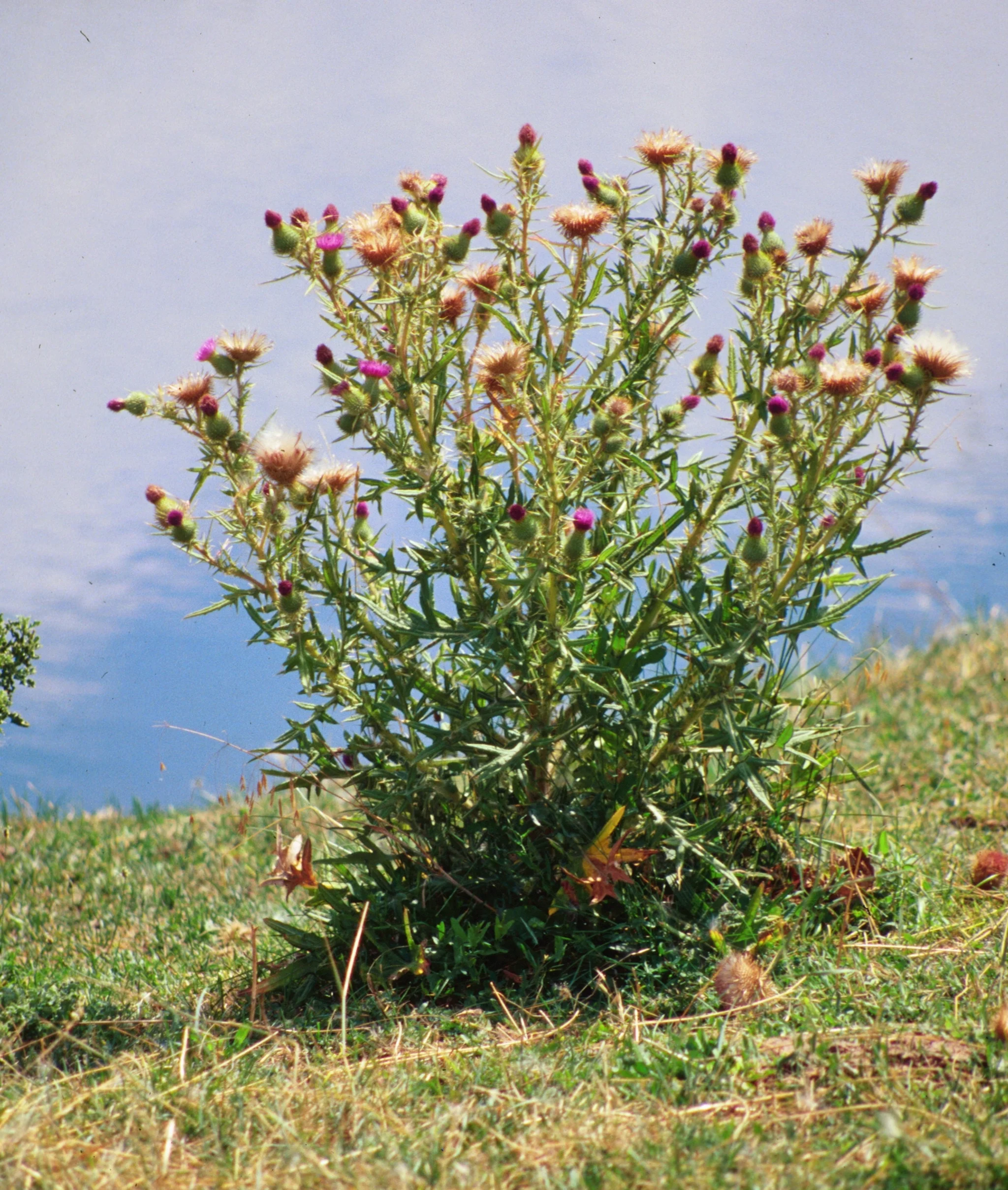
Bull thistle is a tall, spiny plant that can grow up to 6 feet tall. It has a single, thick stem that is covered in spines. The leaves are large and deeply lobed, and they are also covered in spines. The flowers are purple and bloom in the summer.
- How does bull thistle reproduce?
Bull thistle reproduces by seed. The seeds are produced in large, fluffy heads that are easily dispersed by the wind. The seeds can remain viable in the soil for many years.
- What are the environmental impacts of bull thistle?
Bull thistle is an invasive species that can displace native plants. It can also crowd out livestock and wildlife. Bull thistle can also harbor pests and diseases.
- How can I control bull thistle?
There are a number of ways to control bull thistle. Some common methods include:
* Hand pulling: Bull thistle can be hand pulled, but it is important to wear gloves to protect yourself from the spines.
* Mowing: Bull thistle can be mowed, but this will not kill the plant. Mowing will only remove the above-ground growth, and the plant will resprout from the roots.
* Herbicides: There are a number of herbicides that can be used to control bull thistle. It is important to follow the label directions carefully when using herbicides.
* Biological control: There are a number of insects and diseases that can be used to control bull thistle. Biological control is a more sustainable approach to controlling bull thistle, but it can be less effective than herbicides.
Image of bull thistle
10 different images of bull thistle that are free to use:
- A close-up of a bull thistle flower head, showing its purple petals and prickly spines.
- A full-size bull thistle plant, with its tall, spiny stems and large, purple flowers.
- A field of bull thistles in bloom, with their purple flowers swaying in the breeze.
- A bull thistle plant growing in a ditch, with its spiky leaves and purple flowers.
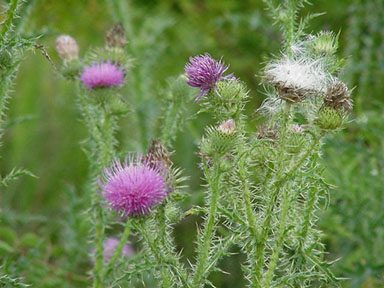
- A monarch butterfly nectaring on a bull thistle flower.

- A bull thistle seed head, with its barbed spines that can easily attach to clothing or fur.
- A bull thistle plant in winter, with its dead stalks and brown leaves.

- A bull thistle plant in a garden, with its purple flowers surrounded by other plants.
- A bull thistle plant in a meadow, with its purple flowers contrasting with the green grass.
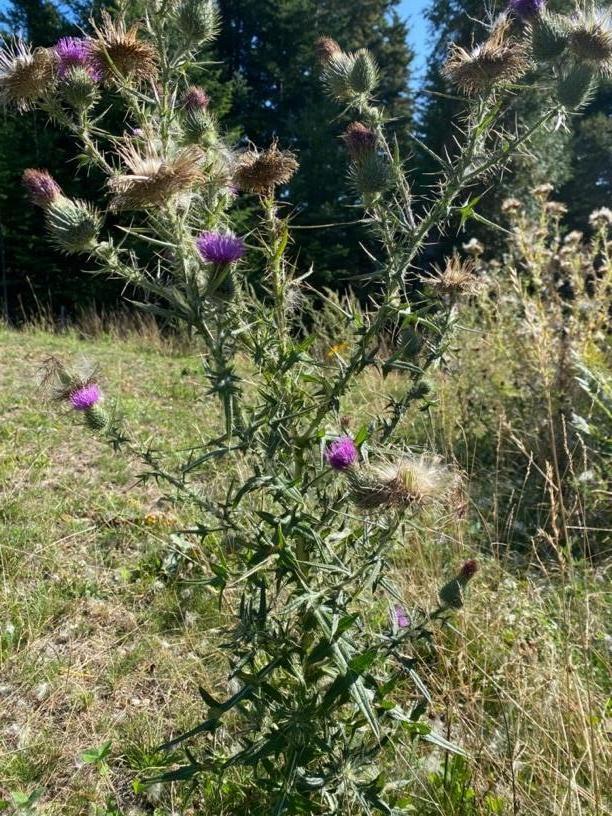
- A bull thistle plant in a forest, with its purple flowers standing out against the brown leaves of the trees.


Post a Comment for "Bull Thistle: The Invasive Weed That's"